Float therapy means lying in warm, very salty water in a private tank or cabin, floating without effort in a quiet, dim space. As it gets more popular, many people ask whether insurance will pay for it. Here’s what to know about insurance coverage for float therapy in Canada before you book.
What is float therapy?
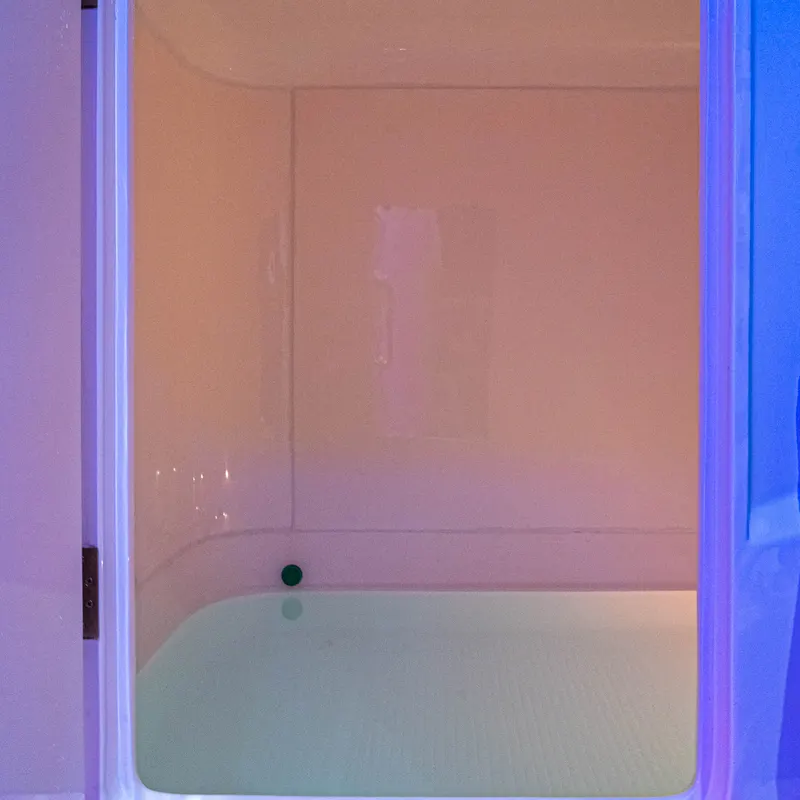
At Float Valley, each float room holds about 10 inches of skin-temperature water with 800 lbs of Epsom salt, so you rest on the surface without trying. The room is private, and you choose lights on or off. See our float therapy page for more.
People use floating for rest and meditation. It’s a wellness service, and that matters for insurance.
Does insurance cover float therapy in Canada?
Usually, no. In Canada, float therapy is generally not an insured service. Provincial health plans like OHIP don’t cover it, and most extended health plans don’t list it either.
Coverage depends on two things: your own plan, and the type of practitioner providing the service. Extended health plans are built around regulated practitioners. Services from a registered massage therapist or a licensed acupuncturist are often covered, up to your plan’s limits. A float session isn’t delivered by a regulated practitioner, so it usually falls outside those benefits.
Complementary and alternative therapy coverage
Some extended health plans include a yearly amount for practitioners such as naturopaths, chiropractors, massage therapists and acupuncturists. These benefits usually name the practitioner type, often cap the amount per visit or per year, and sometimes need a referral. Float therapy is rarely on the list.
If you want a service your plan may cover, our acupuncture with Alia Jiwani is covered by most extended health plans. Check your plan for your coverage.
Health spending account (HSA)
Canada doesn’t have US-style flexible spending accounts (FSAs). Many Canadian employers offer a health spending account instead. An HSA pays back health expenses your plan treats as eligible, and those rules usually follow the medical expenses the Canada Revenue Agency allows. Float sessions generally don’t qualify, but plans vary, so ask.
Wellness or lifestyle spending account (LSA)
A lifestyle or wellness spending account is more flexible. Each employer sets its own list, and many include fitness, wellness and self-care. Some plans may allow a float session; others won’t. LSA money is usually a taxable benefit, which your HR team can explain.
How to check your coverage
- Read your benefits booklet, or search your insurer’s app or website for “float”, “wellness” or “spending account”.
- Ask your insurer or HR department directly: “Can I claim float therapy, and under which account?”
- Ask what they need to see: a receipt, a referral, or a specific practitioner type.
- Keep every receipt, even if you’re not sure it qualifies.
Final thoughts
Insurance rarely covers float therapy in Canada. A spending account may help, depending on your plan’s rules. Ask your insurer or HR before you book, and keep your receipts.
Paying yourself? Our pricing page lists single sessions, intro offers and wellness plans, and you can book a float online. And when you choose a float centre, ask how the water is kept clean. Here’s how we do it at Float Valley.